

There’s an island in Greece for everybody, from hip Hydra to timeless Rhodes—here’s your guide to the best of them.
Lord Byron was on to something when he waxed lyrical about the Greek islands. But with more than 200 inhabited to choose from, which ones are the very best Greek islands? Here regular isle-hopper Rachel Howard reveals the ones to get in a speedboat for in 2024, with recommendations on where to stay chosen by the editors of Condé Nast Traveler.
Here, we’ve also ranked the best Greek islands, from 1 to 29. While we love and highly recommend every island on this list—and advocate visiting all of them throughout your lifetime, if you can—we’ve also edited the list in order so if it’s your first time planning a visit to this magical corner of the world, or you just want to branch out from your usual summer isle trip, we can help you choose where to go next.

Best of the Greek islands for: A photogenic and dramatic coastline
Everyone knows the Venus de Milo (which has stood in the Louvre since the 19th century). Until recently, very few had heard of Milos, the volcanic island where Aphrodite’s graceful likeness was discovered. Those in the know jealously guard their treasured island, and especially its 70 (or more) beaches — surely the most diverse and dramatic coastline of all the Greek Islands.
Little by little, though, Milos is being discovered. Instagram is saturated with no-filter shots of the undulating white cliffs at Sarakiniko, the bottle-green swimming hole at Papafragas, and colorful, rickety syrmata, tiny boat houses wedged between rock and sea. (You’ll find the best photo opportunities at Klima and Mandrakia). This painterly landscape was shaped by the minerals that have long been a source of wealth–obsidian, alum, barite and sulphur, which still bubbles up in the island’s many hot springs. As the 11,000-year-old mining industry is gradually giving way to tourism, several chic hotels have made an appearance. Go now, before the trickle of visitors turns into a tide.

Best of the Greek islands for: A long weekend with the art crowd
You know when Dakis Joannou, Greece’s foremost art collector, is on Hydra. His yacht, Guilty, is painted in gaudy ‘camouflage’ by Jeff Koons. Every summer, Joannou invites big hitters such as Matthew Barney and David Shrigley to create site-specific installations in the Greek island’s old slaughterhouse. Even the school is commandeered for exhibitions in the summer holidays. Car-free and protected by a preservation order, Hydra has always been the artists’ muse of the Greek Islands. Leonard Cohen set the scene in the 60s; now Brice Marden, Sadie Coles and Juergen Teller have homes here. Athenian artists take up residence at the School of Fine Arts, one of the vast, grey, stone mansions overlooking the horseshoe harbour. Musicians of all stripes rehearse and record at the Old Carpet Factory, an 18th-century residence whose double-height ceilings and underground cistern have incredible acoustics.
Less than two hours from Athens, Hydra fills up with chic Greeks at weekends. They come to disconnect and slow down, but also to see and be seen. Wily cats and weary donkeys patrol the back alleys, but all the action happens along the waterfront. Oh look! There’s Olivia Palermo at The Pirate Bar and Chloë Sevigny shaking her tail feather at Hydronetta beach bar. Who cares if there are barely any beaches? You can always find a slab of sun-baked rock from which to leap rock from which to dive into the clearest water in the world. See our full guide to Hydra, Greece.
Best of the Greek islands for: Big, fat Greek feasts
Sifnos owes its foodie reputation to its most famous descendant, Nicholas Tselementes, who wrote the first Greek cookbook in 1910. Forget souvlaki and moussaka: here, chickpea croquettes and stewed capers are taverna staples. The island is peppered with potteries that produce the earthenware casseroles used for revitháda (baked chickpeas) and mastelo (lamb with red wine and dill). Traditional dishes are slow-roasted in a wood-fired oven at To Meraki tou Manoli, a local institution on sheltered Vathy bay. (While you’re there, invest in some timeless tableware from Atsonios Ceramics, in business since 1870.) In postcard-pretty Artemonas, all roads lead to Theodorou, purveyors of nougat wafers and almond sweets since 1933. You can eat in your bikini at Omega3, where locally foraged and fished ingredients are given an exotic twist: baby-calamari tempura, smoked eel in chilled melon soup with wasabi, and chickpea sorbet with wild apricot jam and pine nuts. In 2021, Omega3’s previous energetic head chef Giorgos Samoilis opened Cantina, an equally experimental restaurant in Seralia, a pretty little bay below the beautiful medieval village of Kastro. Lobsters are plucked straight from the sea at Heronissos, then served with spaghetti on the jetty. It’s just the right balance of low-key luxury and unspoiled authenticity. Rather like Sifnos itself.

Best of the Greek islands for: Honeymooners and first-timers
Cooing American and Chinese honeymooners line up to take selfies as the sun sinks behind Santorini’s caldera, the flooded volcanic crater. That view may be a romantic cliché, but it still takes your breath away. A volcanic explosion blew out Santorini’s heart 3,500 years ago, leaving black-sand beaches, vertiginous cliffs in psychedelic hues, and swirling rumors about Atlantis in its wake. The eruption also preserved the ancient city of Akrotiri under layers of ash, and created fertile ground for exceptional Assyrtiko grapes and Vinsanto wines. (Sample them at Domaine Sigalas and Vassaltis wineries, paired with delicate dishes that let the grapes sing.)
Apart from a boat trip to the smoldering crater of Nea Kameni and hot springs at Palia Kameni, there’s not much to do but gaze at the mesmerizing views from your suite, dangling on the edge of the caldera. Most places to stay are concentrated in Oia and Imerovigli, but the inland village of Pyrgos is up-and-coming. Go for a twilight Bellini at Franco’s Cafe and visit Emporio, with its smattering of old-school coffee shops and Airbnbs. For a glimpse of Santorini before the onslaught of cruise ships and Instagrammers, explore the quieter south (but keep your discoveries to yourself).

Best of the Greek islands for: Culture and off-season cachet
On Syros, capital of the Cyclades, you won’t find sugar-cube villages and whitewashed lanes. The colorful 19th-century city of Ermoupoli is built on twin peaks–one Orthodox, the other Catholic, the heritage of a long Venetian occupation. There’s still a strong Italian flavour in Ermoupoli’s marble piazzas, princely mansions, and miniature replica of La Scala, the showpiece of a year-round cultural scene. Syros hosts festivals of animation, dance, digital art, film, classical music, jazz and rembetiko, the Greek blues popularised by local musician Markos Vamvakaris. A few rembetiko joints have survived in the upper town, Ano Syros.
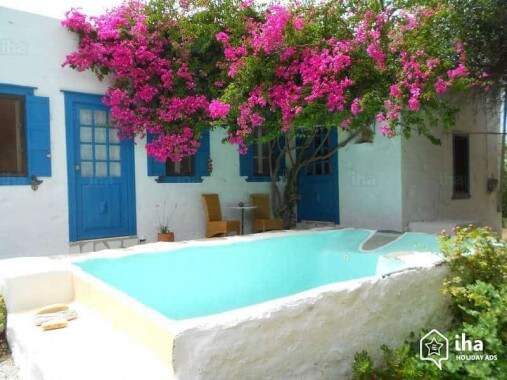
Once Greece’s ship-building centre, Syros’ industry centres around the yard in Neorio. But the most splendid legacy of the shipping industry are the manor houses in Vaporia and Poseidonia. The beaches are slightly less splendid—with the exception of Delfini, Varvarousa, and Aetos in the wild north. But fabulous seaside tavernas abound: Iliovassilemar on Galissas beach for samphire and sea-urchin salad and rockfish soup; Allou Yialou in the pretty seaside village of Kini for lobster with orzo. In Ermoupoli, the finest places to eat and drink are around Androu Street: Ousyra, where the chef plates up Greek-ified pasta and beautifully balanced salads, and Django Gelato, where the pistachio gelato reigns supreme, and the fig sorbet made in August can sell out in less than half an hour. Perhaps the prettiest restaurant of all is Mazi, a vine-covered courtyard festooned with bougainvillea. Before you leave, stock up on loukoumi (rose-tinted Turkish delight) and San Michali cheese from Prekas delicatessen, and visit Zeyelo for hand-made wooden sunglasses. For more recommendations, see our insider guide to Syros.

Best of the Greek islands for: Authenticity with a bohemian buzz
The village square should be your first port of call on any Greek island: settle into your favorite café, pick up local gossip, and adjust to the languid pace of life. On Folegandros, this presents a challenge: the cliff-hanger capital, Hora, has not one but three squares, each brimming with a jumble of cafés, tavernas and dinky raki bars. We recommend Pounta, where the Danish owner makes and sells the lopsided cups and bowls in which your coffee and Greek yogurt are served. From Hora, zigzagging steps lead up, up and away to the only real landmark, Panagia church; make the pilgrimage at sunrise (perhaps after an all-nighter at diminutive Astarti bar).
Folegandros–which means ‘iron hard’ in ancient Greek–is as barren as its name suggests. Fruit trees are protected from fierce winds by rings of stones. You won’t find sandy beaches lined with sunbeds; only limpid, pebbly coves, such as Katergo, Ambeli and Livadaki. Set in the rocks above Agios Nikolaos bay, Papalagi serves big fat prawns and whole grilled octopus on a wooden deck aligned with the horizon. Water taxis service some beaches in high season; otherwise you’ll have to scramble down rocky footpaths to cool off. On your way home, stop at Mimis or Synantisi in Ano Meria for the island speciality of matsata (goat or rabbit stew with hand-made pasta).

Best of the Greek islands for: Character and lush landscapes
Corfu is the It Girl of the Ionian islands. The cosmopolitan capital is a charming clash of Venetian, British, and French colonial influences. Evenings kick off with cocktails on the Liston (a colonnade modelled on Paris’s Rue de Rivoli), followed by dinner at Salto, an unpretentious wine bar and bistro on the edge of the Old Town.
With its pastel villages, rolling olive groves and grand manor houses, the rest of the island recalls Tuscany—but with some of the best beaches in Europe. The smart set stay on Corfu’s north-east coast (nicknamed Kensington-on-Sea) where the Rothschilds like to unwind. It’s wall-to-wall Sloanes and speedboats at Agni, a tiny fishing village with three rival tavernas (Toula’s is the best). From here, you can rent a boat and putter to your own cove: perhaps Nissaki, Agios Stefanos or Kerasia. These idyllic bays still resemble the ‘delectable landscape’ that Lawrence Durrell fell for in the 1930s–now back in vogue thanks to the ITV series, The Durrells. Or venture inland to Ambelonas, an enchanting winery, restaurant and cooking school that specializes in unusual local dishes, such as roast pork with quince and crème brûlée with Corfiot kumquats. Steer clear of the south, especially Kavos–unless you happen to like wet T-shirt contests.

Best of the Greek islands for: Endless sandy beaches
Naxiots once made considerable fortunes exporting potatoes, cheese, marble and emery. Locals bequeathed undesirable seaside plots–useless for farming–to their laziest offspring. When tourists cottoned on to the island’s scores of fabulous beaches, these wastrels found themselves sitting on gold mines. The west coast of Naxos is fringed with mile upon mile of powdery sands. Agios Prokopios and Agia Anna delight toddlers and teenagers alike with their shallow waters and beach bars. As you head south, the beaches get wilder: Plaka, where you can gallop across the dunes on horseback, Mikri Vigla for windsurfing and kitesurfing, and crystal-clear Kastraki.
Should you tire of frolicking on the shore, three supersized kouros statues are hidden in the hills and there are dozens of drowsy villages to explore. Try kitron, the local citron liqueur, at the Vallindras distillery in Halki or sample homemade wine and arseniko cheese under the plane trees in Ano Potamia village. No wonder Herodotus described Naxos as “the happiest of islands.”
Best of the Greek islands for: Laidback family holidays
Casting Penélope Cruz as a Greek peasant is improbable. Shooting a World War II film on an island flattened by an earthquake in 1953 sounds even crazier. And yet Captain Corelli’s Mandolin put under-the-radar Kefalonia (Cephalonia) in the spotlight in 2001. The dramatic scenery still lives up to the hype: milky-white Myrtos beach, the island’s pin-up; pine-fringed Horgota beach; and the giddying heights of Mount Ainos, a national park where wild horses roam. Outdoor Kefalonia organises four-wheel-drive safaris, if you can’t face the hairpin bends. Surprisingly, the two prettiest seaside villages–Assos and Fiskardo–didn’t make the cut. But the yachting set has discovered their photogenic charm. Everyone from John Galliano to Jon Bon Jovi has jumped ashore to taste the seafood pasta at Tassia Restaurant in Fiskardo, washed down with local Robola and Muscat wines. (We recommend the organic muscat from the 19th century Haritatos Vineyard in Lixouri, also an enchanting setting for wine tasting.) The rocky coastline around Fiskardo is deliciously pristine: go snorkeling at tiny Dafnoudi or Emblisi, flanked by slabs of limestone that turn the water electric blue.

Best of the Greek islands for: Walking trails and wild beaches
Divided by four mountain ranges, Andros is like several islands in one. Lush valleys, rushing streams, handsome villages, and wild, windswept beaches are connected by a well-maintained network of hiking trails, making this an excellent off-season destination. Many of Greece’s powerful shipping dynasties hail from Andros; they have bequeathed the island with grand estates, splendid museums, and an elegant neoclassical capital. The marble-paved streets of Chora are full of unexpected treasures: a tiny, open-air cinema showing black-and-white classics, great pizzas and cocktails in a converted slaughterhouse, sublime sundresses and sandals at Waikiki boutique. Inland, there are fortified monasteries, ice-cold waterfalls, and fantastic farm-to-table tavernas like Kosses in Ano Fellos, Fofo’s in Livadia, and Tou Josef in Pitrofos to explore. And then there are the mind-blowing beaches: from the spectacular sandy bays of Zorkos, Vitali, and Vori on the north coast to the mellow beach bars at Apothikes and Chryssi Ammos, or the sunset views and old-school fish taverna at Agia Marina, there are options for whichever way the wind or your mood is blowing. You could spend weeks on Andros and still have more to discover.
Best of the Greek islands for: Naturists and purists
The sleeper hit of the Cyclades, Serifos is the summer retreat of interior designers and architects who prefer to keep the sandy beaches to themselves. (One French home-owner is so protective of her hideaway that she tells all her friends she summers on nearby Sifnos.) Even in August, you’ll find coves where you can skinny dip in blissful solitude. That’s because the best beaches (such as Kalo Ambeli and Skala) are only accessible via bone-rattling dirt roads or donkey tracks. Better still, rent a motor boat from the laidback harbor, Livada. Make sure to moor outside Anna’s taverna on Sikamia beach for freshly caught fish and garden-grown salads.
In the cascading hilltop Hora, there’s barely any nightlife, no smart boutiques or fancy hotels. But who cares when you can kick back with fennel pie and raki at Stou Stratou, pick up Natassa Kalogeropoulou’s minimalist ceramics at Kerameio, and listen to Greek folk in the open-air amphitheatre? And all less than three hours from Athens.
Best of the Greek islands for: Decadent parties and five-star hotels
Mykonos had LGBTQ+ clubs and sunrise parties long before rave culture was even invented. Its bohemian allure hasn’t faded since the 1960s, although the once naked beaches now have nail bars, personal trainers and house music pumping out all hours. The influx of supermodels and superyachts has inspired hot new hotels and restaurants. The hippest place to show off your abs is Scorpios, a louche beach bar that puts Ibiza’s finest in the shade (book a cabana to watch the sunset). After hours, it’s always Astra, where you might find Keith Richards chatting up Karolina Kurkova. The LGBTQ+ crowd has dwindled, but drag queens and oiled bodybuilders make a splash at Jackie O’, overlooking Super Paradise beach.
If the glitzy excess gets too much, escape to Fokos taverna for superfood salads and lamb chops, or Kiki’s, an off-grid grill-shack overlooking Agios Sostis bay, where even Naomi Campbell has to queue for a table. Or cruise over to the tiny island of Delos, an archaeological sanctuary that once thronged with 30,000 sun worshippers (the temple is dedicated to Apollo, the Greek god of light).
Best of the Greek islands for: Seaside holidays with toddlers or teens
Zakynthos, or Zante, has shrugged off its reputation as a destination for lads on tour (as long as you avoid Lagana and the built-up south coast) by rebranding itself as one of Greece’s greenest islands. It’s not just the emerald hills sliding into the electric blue Ionian: much of the south coast is a nature reserve where endangered loggerhead turtles hatch in the sand. The turtle beaches are off limits, but there are countless coves in every hue of green and blue. Favourites are tiny Xigia, with its bubbling underwater springs, and craggy Porto Limnionas, with sunbeds wedged between the rocks and palm-frond umbrellas positioned between the pine trees. Skinari is the starting point for boat trips to the most famous landmarks, the Blue Caves and Shipwreck Beach, where a rusting liner leans into the chalky cliffs. From Keri, you can cast away for Marathonisi island, another turtle sanctuary.
The mountainous interior, all sleepy stone villages poking out of pine forests, is great for hikes and bikes. (Eco Zante can arrange outdoor activities guided by insiders.) Askos Stone Park is a wildlife sanctuary inhabited by deer, chinchilla, and dozens of other species. After exploring the Venetian castle high above the harbour, treat the kids to thin-crust pizzas (with grown-up toppings like bresaola, aubergine, and gorgonzola) at Alesta on cute St Mark’s Square.
Best of the Greek islands for: Deep-blue seas and wide-open spaces
It’s not easy to get to Amorgos. In high winds, the fast ferries stay grounded and the slow boat takes upwards of eight hours from Athens. When you disembark at Katapola, a sleepy harbor lined with great little fish tavernas (our favorites are Prekas and Mouragio), a sign announces: ‘Welcome to Amorgos. Nobody will find you here.’
That’s just the point. This craggy Cycladic island has always attracted loners, hikers, divers, and pilgrims, who shuffle up the cliff face to the Monastery of Hozoviotissa, a sliver of white dangling 300 metres above the sea. The water here is a million shades of blue and so startlingly clear you can see every sea urchin lurking on the rocky shore. Even the sage-scented hiking trails are called Blue Paths, because the sea and sky are visible in all directions.
With a population of under 2,000, the locals are outnumbered by shaggy goats that blend in perfectly with the burnished landscape and hippie vibe. But you don’t have to be a recluse to fall for Amorgos. There are plenty of all-day spots and a few late-night bars where Amorgos groupies meet, summer after summer: Jazzmin, in Hora, for backgammon and cocktails; Pergalidi in Langada for herbal infusions and jazzy tunes; Seladi in Tholaria, with giddying views and a telescope for stargazing.
Where to stay on Amorgos: There are very few hotels on Amorgos, beyond basic rooms to let. Vorina Ktismata is the exception, with seven smart apartments looking out across Hora’s white-washed rooftops.
Best of the Greek islands for: The perfect balance of seclusion and sophistication
One of the tiniest Ionian islands, Paxos packs a big punch. Not for its five-star hotels (there are hardly any) or its sandy beaches (practically none), but for its electric blue sea and three dinky harbor towns, each one so pretty it’s impossible to pick a favorite. In laid-back Loggos, on the northeast coast, star-spangled evenings are spent on the waterfront terrace of Taxidi bar, where the owner, Spiros, often jams with local musicians. You could while away days in the waterfront cafés of Lakka, watching lissom sailors hop on and off their yachts. Protected from the wind but with a lively social scene, the main port of Gaios is characterized by Venetian architecture and a high quota of stylish Italians, who own pale stone villas hidden in the wooded interior or on the crest of the limestone cliffs along the western shoreline. For the many British Paxos aficionados, all roads lead to Ben’s Bar, a happy-go-lucky hangout on Monodendri beach, where you can laze under the olive trees with French toast and Piña Coladas. Make sure to rent a motor boat to putter along the coast to pebble coves such as Marmari and Kipiadi, or across to Antipaxos, an even smaller island that’s a hit with the yachting set. Paths through vineyards and orchards trickle down to bays with sea so clear it looks retouched.
Best of the Greek islands for: Sailors, surfers, and superstar beaches
Lefkada is something of an anomaly. Unlike the other Ionian islands, it’s accessible from the mainland via a causeway on the northern tip. Lefkada’s main town, flattened by an earthquake in the 1950s, certainly won’t take your breath away, but those famous cliff-backed beaches, Egremni and Porto Katsiki, sure will. You’ll find sheltered beaches no matter which way the wind is blowing; but if you’re here for the swell, the south coast is fantastic for windsurfing (head to Vassiliki or Sivota, home to the world windsurfing championships) and Agios Ioannis bay billows with kite-surfers. At Nidri, ignore the unlovely bars and watersports centres, and hop on a boat to explore the little isles nearby. You can swim through sea caves near Kalamos; eat seared tuna with tarama at Errikos taverna on Meganisi, a favorite of reclusive billionaires; and watch the sunset with a basil-infused Mastiha and tonic at Mylos bar, a converted windmill on Kastos.
Want to cool down or escape the summer crowds? Drive through forests of chestnut and pine into Lefkada’s mountainous interior to the somnolent villages of Karya (home to an enchanting textile museum), Eglouvi (to play backgammon under plane trees) and Exanthia (to watch the setting sun from up in the clouds at Rachi restaurant). You might even see paragliders leaping off the mountain.
Best of the Greek islands for: A mythical retreat for lovers and loners
Despite its legendary stature, the homeland of Homer’s hero, Odysseus, remains surprisingly under the radar. Ithaca’s turquoise and emerald coves are popular with the sailing set, but few visitors venture into the forested hills. So you might be the only person exploring the eighth-century BC ruins of Odysseus’ palace, or making the heady trek to the church of Anogi, covered in Byzantine frescoes (ask for the key at the village coffee shop, where the owner will cook you a set menu of whatever is available–maybe a tomato salad, some local cheese and braised goat—straight from her garden or neighbours’ fields).
From Anogi, it’s an exhilarating two-hire hike down to Kioni, a miniature port where you’ll find Spavento, the perfect pier-side café-bar. Go any time of day or night for ice-cream sundaes, excellent cocktails, and a soundtrack to make your heart sing. The waterside tavernas at the drowsy fishing port of Frikes are unfailingly delightful, especially Ageri. The deep, sheltered harbor town of Vathy is barely livelier, but the mood can be deliciously mischievous at Mylos bar. Beaches are mostly small and pebbly, but the sea is as clear and refreshing as gin. Authentic, unspoiled and infuriatingly (or gratifyingly) hard to reach, rugged little Ithaca is somewhere you can still disappear.
Best for: Traditional villages and knockout tavernas
Tinos has more than 50 villages, each vying to be fairest of them all. In Pyrgos, famous for its marble craftsmen, sculpted birds and flowers decorate every doorway. In Volax, basket weavers squat outside cottages surrounded by giant boulders, seemingly flung from the heavens by Zeus in a fit of pique. There’s even a village called ‘love’, Agapi, where you can tuck into wild-fennel fritters at the only taverna. Tinos takes its food culture seriously: there are artichoke, caper and honey festivals. Marathia launched the island’s farm- (or fishing-boat-) to-table scene, elevating local ingredients into complex modern dishes. For a perfect meal in perfect surroundings, go for cuttlefish risotto and octopus caramelized in grape must at Thalassaki, served on the jetty in Isternia bay, then watch dusk bleed into the horizon from Exomeria bar.
Tinos is only 20 minutes from Mykonos, so it’s a wonder it isn’t overrun with tourists. The harbor is swarmed on 15 August, however, when Orthodox pilgrims flock here to kiss the Virgin Mary at the Monastery of Panagia Evangelistria, one of the holiest sites in Greece. Otherwise, the island is miraculously untouched. Solitary chapels and whimsical dovecotes stud thyme-scented hills, dropping to sandy bays whipped by the meltemi wind. There’s a nascent surfer scene on Kolibithra bay, where a VW camper van has been converted into a cute beach bar.
Best of the Greek islands for: Stark mystique and show-stopping villas
Patmos has an indefinable je ne sais quoi–an otherworldly quality that radiates from its crowning glory, the medieval Monastery of St John. This turreted fortress, bursting with Byzantine relics, is named after John the Divine, who conjured up his apocalyptic revelations in a cave nearby. Pure-white Hora, a World Heritage Site, is where A-listers and fashion editors stay. High walls and heavy doors conceal magnificent mansions dating back to the 16th century. The almighty church has kept nightlife in check. If you must see and be seen, head to quietly glamorous Astivi or Stoa Theo’s bar, on miniature Agia Lesbia, in Hora. Beach life is generally languid and low-key; Psili Ammos and Livadi Geranou are our favorite hideouts. Dinner reservations are essential at Benetos, for Med-Asian fusion on an organic farm, and Lambi for grilled fish on a purple pebble beach.
Joining the Patmos in-crowd requires commitment. There’s no airport and it’s a nine-hour ferry journey from Athens, which keeps the hoi polloi at bay. Seriously reclusive types hop on a fishing boat from Patmos to Marathi and play castaway at Pantelis, a divine taverna with modest rooms to let.
Best of the Greek islands for: Flopping onto a sandy beach with a good book
Skiathos may be the smallest of the Sporades islands, which counts among its number sleepy Alonissos and the pretty Mamma Mia! location of Skopelos, but it’s by far the most popular, especially with families, who come for the baby powder-soft sandy beaches and laid-back vibe. The island has some of the finest beaches in Greece, with the tree-lined, turquoise-watered Koukounaries in the south the most celebrated and the busiest (forget about getting a sun lounger here in peak season). Those in the north of the island, which can only be accessed by a steep, winding drive through pine groves, are more rugged and windswept but no less idyllic–emerging onto Elia beach on the west coast, with its crystal-clear sea and rickety wooden taverna, is like stepping into a little slice of paradise.
As dusk falls the town starts to liven up, with most of the action centered around Papadiamantis Street, the main shopping drag. Stroll down it on the way to dinner and browse smart boutiques selling handcrafted jewelery and knick-knacks, or pick up local delicacies from the upmarket Ergon deli (reopens in May), which also has outposts in Athens, Thessaloniki and Mayfair. The buzziest restaurants are clustered around the harbour, with Bourtzi, perched atop a tiny rocky island, the best spot for sundowner cocktails and The Windmill a favorite for elegant suppers. For the most charming setting, head to Sklithri and book one of the taverna’s tables right on the beach. Order an ice-cold Mythos beer, baked feta and a platter of perfectly-chargrilled and out-of-this-world delicious vegetables then watch the sun set over the Aegean, with your toes in the sand.
Best Things to Do in ZakynthosZakynthos, known internationally under the name “Tzante,” or “Phioro Levante,” meaning Flower of the East, is an island with many natural beauties as well as plenty of historical tradition. From Zakynthos’s pine-covered mountains to its rocky shores and impressive sea caves, Zakynthos has plenty of natural beauty. Zakynthos’s culture, on the other hand, extends from everything from its building all the way to is music, which plays a large role in the island’s long history.
Here, we break down the 10 best things to do and see in Zakynthos.

Built in 1708, the church of St. Dionysios is a Venetian-inspired church equipped with a bell tower which is the exact replica of the St. Marks bell tower in Venice! The church is also beautifully situated on the city’s beach. The most famous church on the island, a large festival takes place every year in the city lasting three days starting on August 24th which celebrates the church.

The most famous attraction in all of Zakynthos is Shipwreck Beach, a picturesque beach on the north coast of the island which is considered one of the most beautiful beaches in the world! With its clear waters, white sand, and stunning rock formations, along with the famous withered ship on its beach, this is a must-visit attraction.

Another famous attraction on Zakynthos is the Blue Caves. Accessible only by boat, one can sail through stunning caves on deep blue waters and see colors on the caves so impressive you would have to see it believe it.

Gerakas beach is a golden sandy beach which is home to Loggerhead Sea Turtles. The beach is a nesting ground for their babies, and the beach actually closes at 19:00 to leave them in peace. If you visit between May and October, you can actually go and see the hatching of little turtle eggs and see dozens of newborns take to the sea.

Marathonissi island, a small uninhabited island in the bay of Laganas off Zykanthos island, has white sandy beaches, and beautiful turquoise waters. This is also another breeding ground for Loggerhead Sea Turtles.

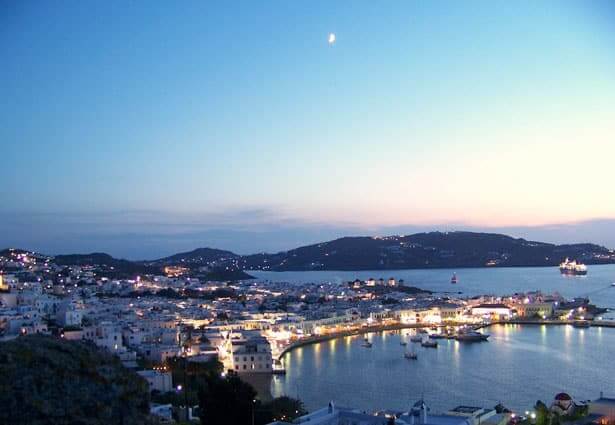
Mykonos is one of, if not the, most famous islands in all of the Aegean Sea. Bright and cosmopolitan, it has been a magnet of high profile guests since the 1960s.

It is no surprise then that it was voted as one of the top holiday destinations to visit. With its amazing beaches, award-winning restaurants, and mythical parties that last all night long, it is a must-visit destination.


The list of celebrities who visit Mykonos is constantly growing: Harrison Ford, Tom Hanks, Shakira, Lady Gaga, Steven Spielberg, Monica Bellucci, Liam Nisson, Hugh Jackman, Michael Douglas, Catherine Zeta-Jones, Clive Owen, Jean Paul Gotti, Giorgio Armani, Russell Crowe, and many more.
Particularly open to diversity, Mykonos is considered the most gay-friendly destination in Greece and is one of the most popular in the world.

Visit Mykonos Town and marvel at the white cubist architecture which engulfs the island. Mykonos is also home to many old churches and wells. Take a walk through its narrow streets and admire this beautiful city.


Shop in Chora and see the latest collections from brilliant fashion and jewelry designers. You will find plenty of branded clothes and accessories, jewelry, and other fashionable goods.

In Gialos you can see the famous Mycenae Pelicans and visit Aghios Nikolaos town, a town whose town hall was built in 1780!

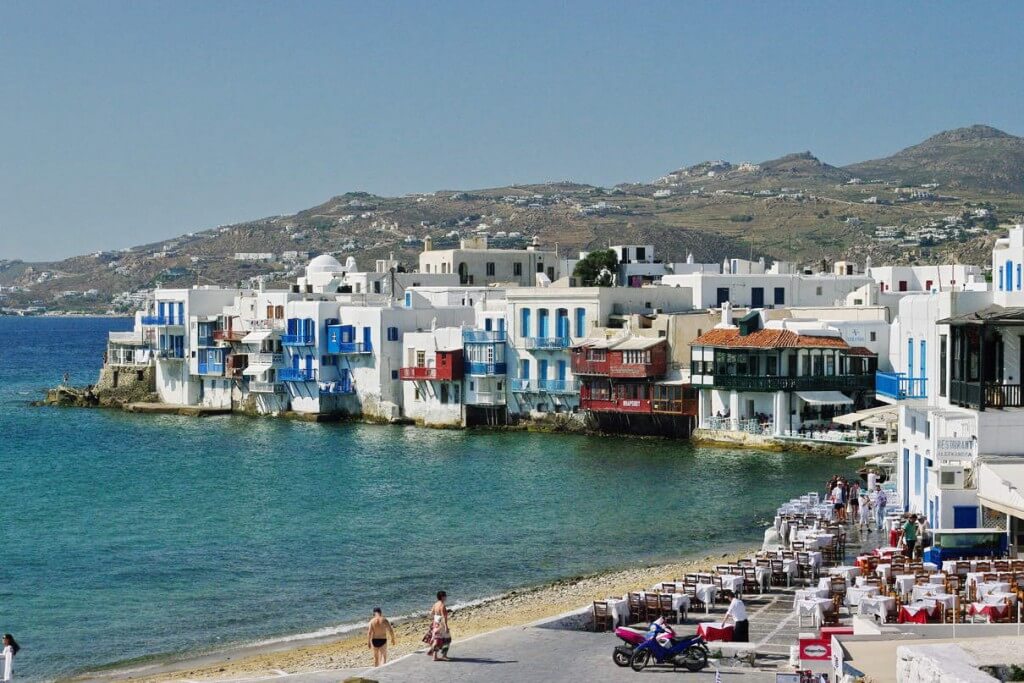
See “Little Venice” and view tiny cute little houses built in the 18th century that have foundations in the sea! It is said that pirates used to come to this island and use the doorsteps of the houses on the water as miniature planks to make people walk off of. Today, the homes are filled with bars and restaurants.

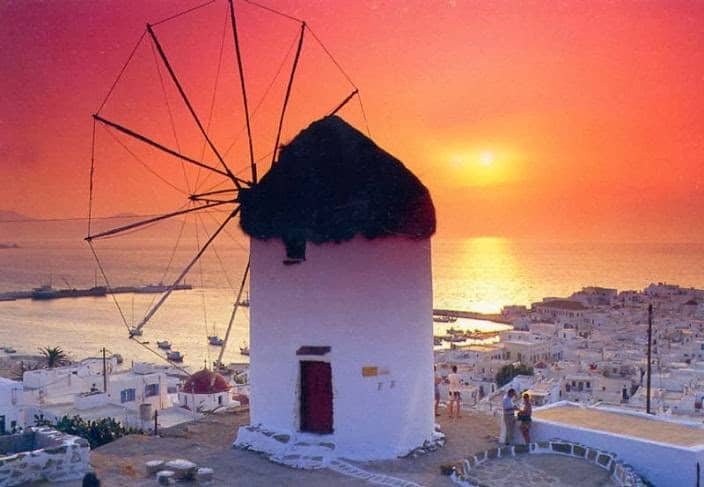
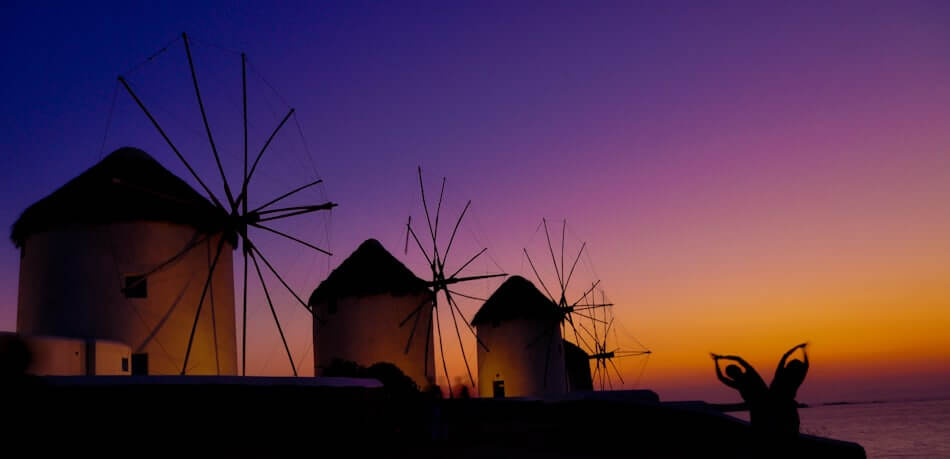
The other trademark landmark of Mykonos, the Kato Myloi windmills, used to grate greats using the power of the north winds until the beginning of the 20th century! In the evenings, they are lit up with a beautiful glow.

Visit the beautiful quiet and secluded beaches of Agios Sostis, Kapari, and Fokos.

If you like busier beaches, however, visit Psarou, Ornos, Paradise, and Platis Gialos where there are parties all of the time!

See this ledgendary lighthouse which stands on the edge of Phanar. Enjoy stunning views of sunsets as you relax!

Scuba dive and see octopi, starfish, sponges, and maybe even Monachus-Monachus seals! There are many diving centers on the island which offer diving in reefs, caves, and even shipwrecks!

Visit Rinia and dive into its crystal clear blue waters and spend time relaxing on its beaches.

Visit Delos, what is considered the island of Apollo, the god of light, and visit its archeological sites.

Tradition says that anyone who drinks the water from the wells in the center of the village will never leave the island!



Enjoy!
————————————————————————————————–
The 10 Best Things to Do and See in CorfuIf there is a paradise, you will find it in Corfu. With its warm weather, turquoise waters, and gorgeous harbors, Corfu is a must-visit destination. Corfu, also filled with traditional architecture, cosmopolitan beaches, and great mountains, is the perfect destination to taste authentic Greek cuisine, play in its waters, and explore a unique island.
Cosmopolitan yet historic, Corfu has plenty of Venetian-inspired buildings, old fortresses, and other sites reminiscent of Homer’s famous works.
Top 10 Things to Do and See in Corfu
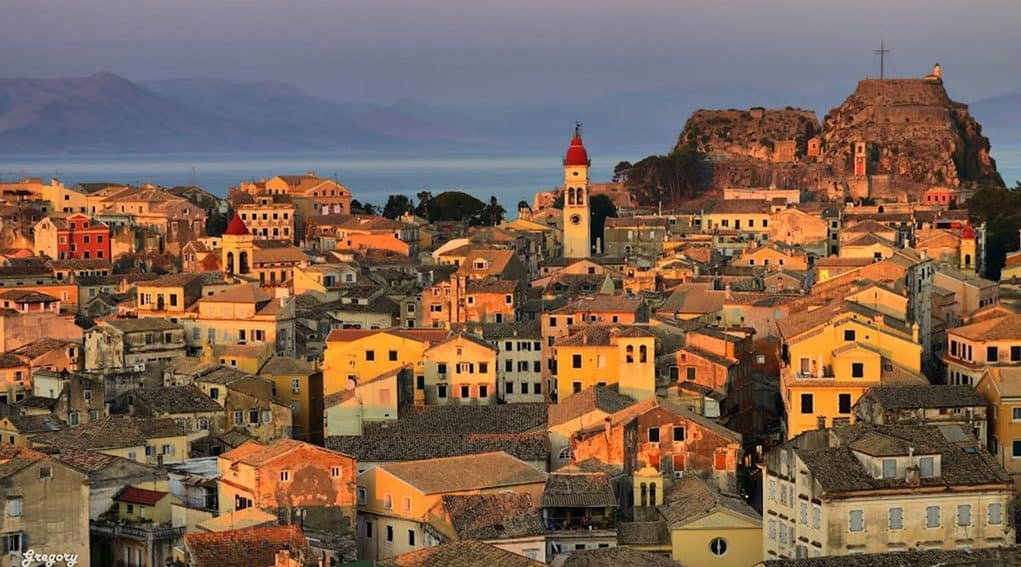
The architecture in the central city of Corfu not only has Venetian influences, but also English and French influences as well. Its main attractions include the Old Fortress, the town hall, Mon Repos villa, and Spianada park, the largest park in all of the Balkans. Moreover, St. Michael and George’s Palace, one of the most beautiful buildings left behind by the British Empire, is also a major attraction. In Corfu, Venetian mansions and building are painted in the traditional color ochre, a natural clay earth pigment with a color ranging from yellow to deep orange to brown. Corfu is so special, that it was actually named a UNESCO world heritage site!
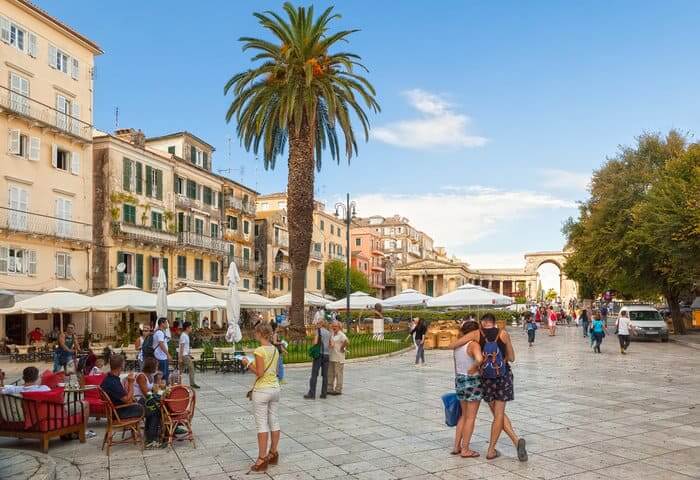
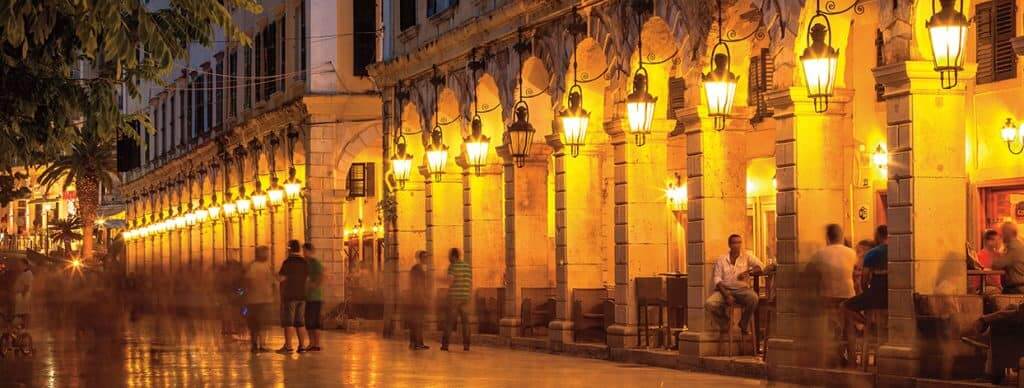
2. See the Liston Monument
The Liston monument is a perfect place for romantic strolls, coffee, or a quick bite. People in Corfu are especially proud of their cuisine. Traditional dishes include “pastitsada,” “sofrito,” and “bourdeto”.
3. Walk the Islet of Blachernae
Probably the most famous attraction in Corfu, Blachernae is the island where the church of the Virgin of Blachernae is located, and is a must-visit destination.
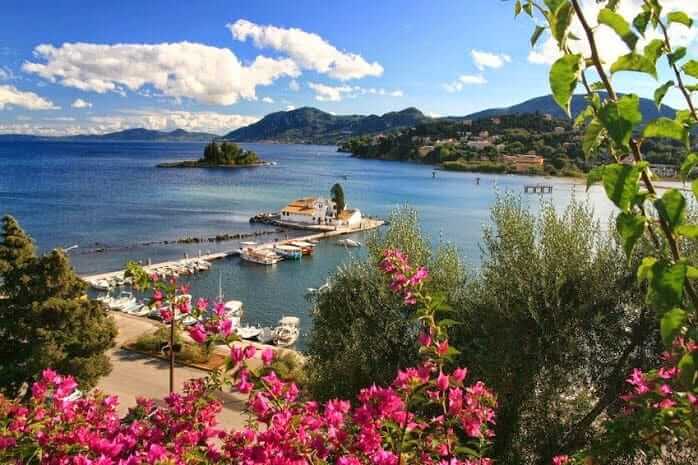
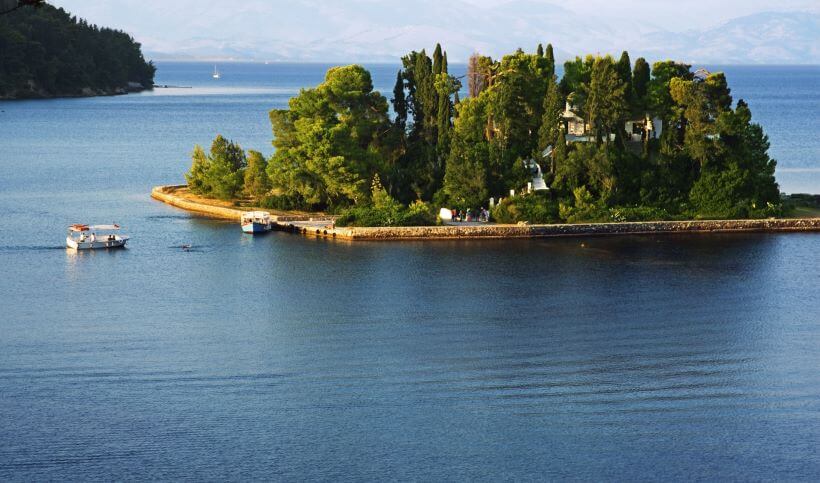
5. Travel to the Natural Cove in Corfu
The natural cove in Corfu is ideal for fishing and/or diving. Add in a boat tour for a special visit to the island of and some delicious seafood.
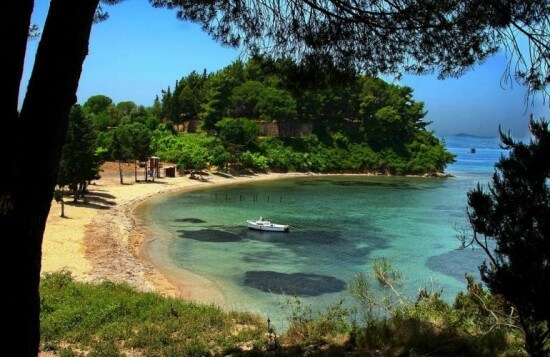
6. See Palaiokastritsa
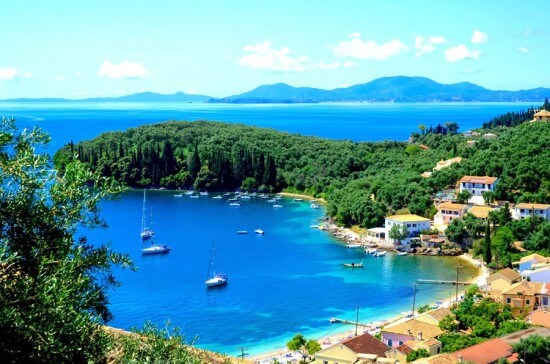
The most famous village in Corfu, Palaiokastritsa is a natural paradise famous for its greenery and blue waters. It has six small bays, and is perfect for divers and other watersports enthusiasts. The Achilleon diving center offers unique explorations of Palaiokastritsa’s marine life.
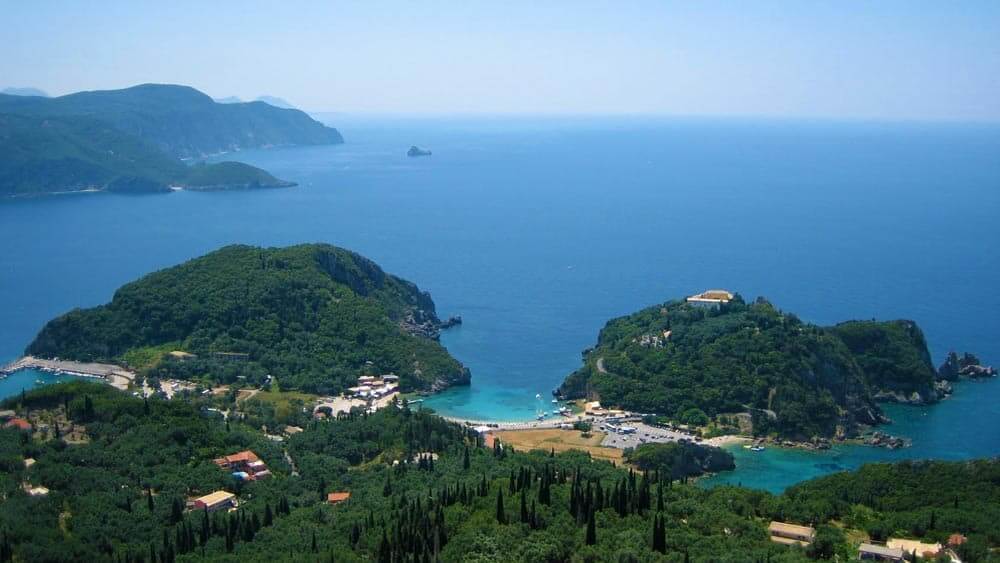
7. Visit the Islands of Othonoi and Ereikoussa
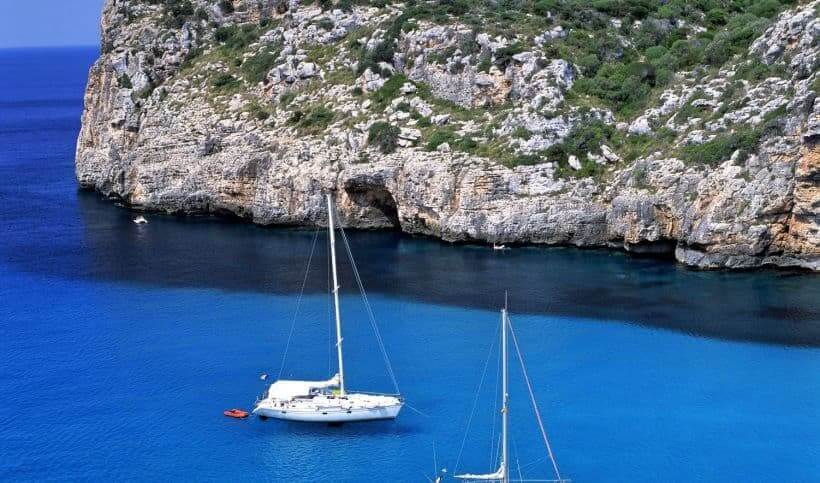
The islands of Othonoi and Ereikoussa are perfect destinations to visit by boat from Corfu. Characterized as small paradises, they are situated at the northwestern tip of Corfu. Shown below is the cave of Calypso, which is home to emerald waters and where, according to legend, the nymph of Calypso detained Odysseus (from Homer’s The Odyssey) for seven years.
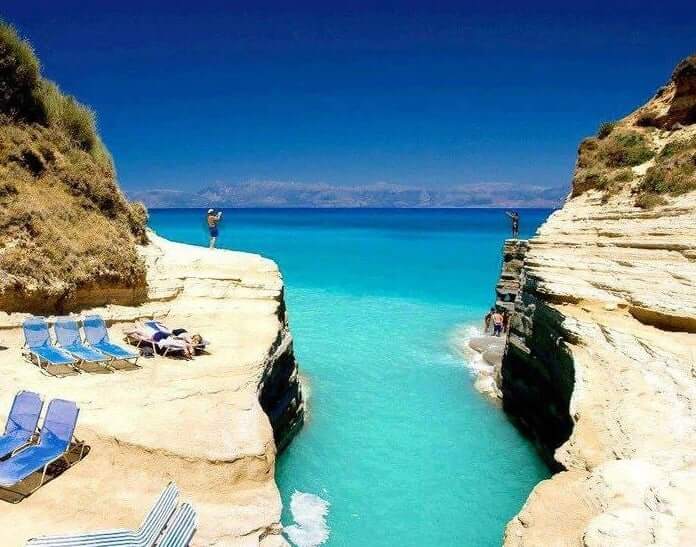
8. See the Canal d’Amour
See the Canal d’Amour, a turquoise-colored canal where the wind and water smoothed the rocks to it’s sides, making the canal a famous “work of art” unique to all of Greece and the wider southeastern region of the Mediterranean.
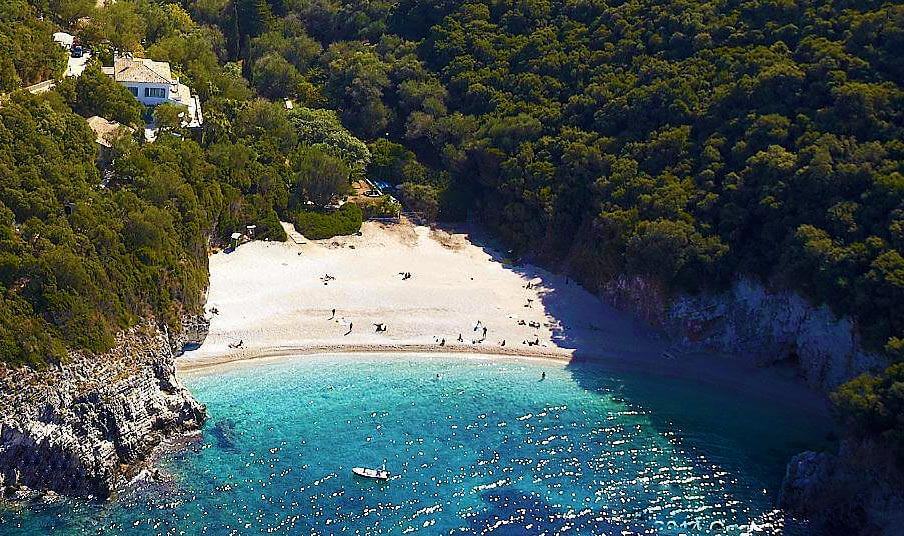
Rovina beach is a small, beautiful, isolated beach hidden in western Corfu. The beach’s shoreline literally collapses into the sea, creating a natural dam on Corfu’s coast. Rovina is considered to be the most beautiful beach in all of Corfu.
Also, be sure to check out Corfu’s many other magnificent beaches, including Sidari beach, Stefanos beach, Kassiopi beach, and Kontokali beach.
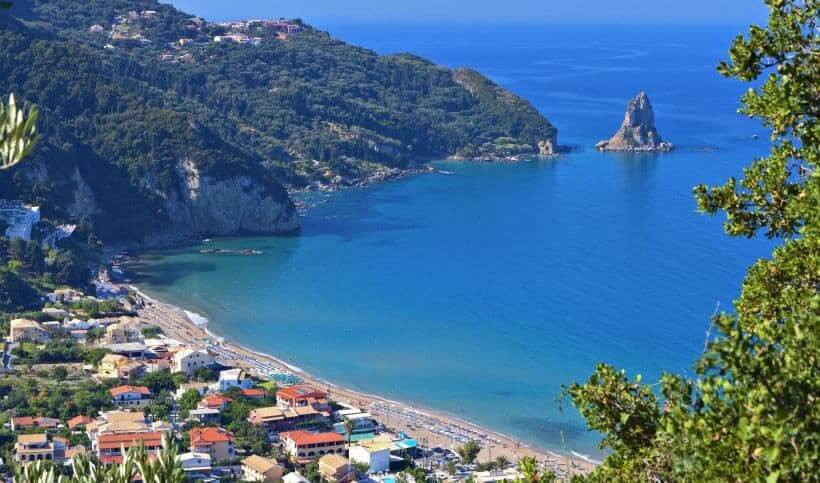
10. Visit St. Gordios and Agios Stefanos
These two stunning beaches on the western coast of Corfu are nestled in the roots of lush green mountains and surrounded by golden-colored olive trees.
Enjoy!
——————————————————————————————–
Itinerary: 7 Days Through the Cyclades IslandsThe Greek islands are a must-visit destination for any traveler. Indeed, the Greek islands have topped countless lists as a top destination around the world. In this itinerary, we lay out for you a plan to go from Athens to Mykonos and see the most spectacular highlights the Greek islands have to offer.
The Athens Riviera is a coastal area in the southernmost suburbs of Athens. On this sailing route, you will find the most cosmopolitan beaches of Athens, including Alimos, Glyfada, Vouliagmeni, Lagonissi and Varkiza.
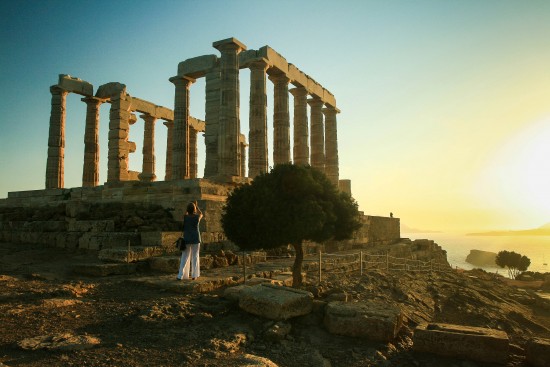
Cape Sounion is located 69 kilometers (43 miles) southeast of Athens, at the southernmost tip of the Attica peninsula in Greece. Recently, the wider region of Cape Sounion was declared a national park, and is now protected by the Greek government. Cape Sounion is also home to the ruins of the ancient Greek temple of Poseidon, the god of the sea in classical Greek mythology. From the ruins, one can view the sunset over the Aegean Sea, a famous and beautiful view that many travel to see.
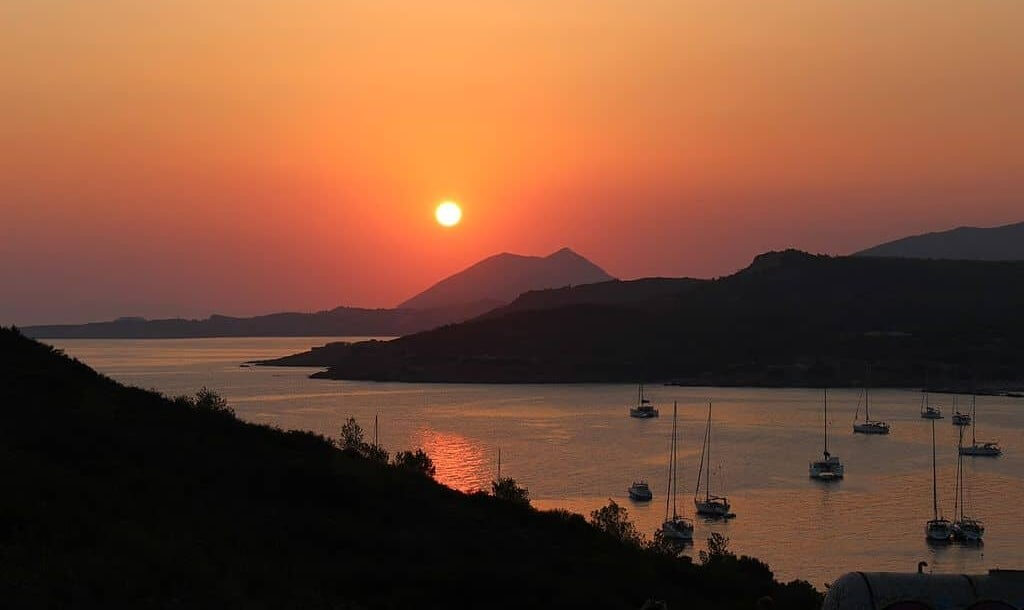
Kythnos, located in the Western part of the Cyclades, has perhaps the most beautiful beach out of all the Greek islands. This beach, a crescent- shaped isthmus, has extremely fine sand and warm thermal springs at Loutra bay, which are told to have healing properties.
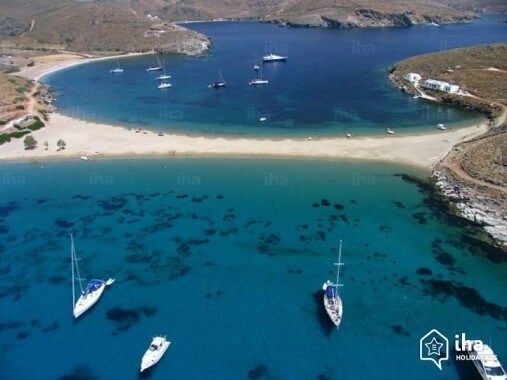
Kythnos also has picturesque villages with cobblestone streets and white houses with blooming flower courtyards. Kythnos is warm, friendly, and simple. Walk through its quiet neighborhoods and dine on fresh food at waterfront tables.
Syros is located 144 kilometers (78 miles) southeast of Athens. Its capital, Ermoupoli, is a neoclassical town and one of the most beautiful settlements you will encounter in the Cyclades. Syros’s Roman quarter is home to the fortress-like St. George’s Cathedral. Go up to the top of the hill the Cathedral sits on, through the narrow streets, past the traditional whitewashed houses, and through the archways and open spaces to catch a breathtaking view of the entire island.
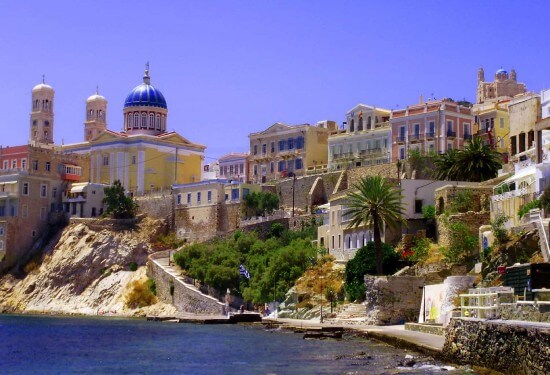
Syros also has beautiful architecture, such as the churches of St. Nicolas the Rich and Dormition of the Mother of God. On the hill that St. George’s Cathedral sits on, also sits the remarkable medieval settlement of Ano Syros, built during 300 AD.
3rd DAY: MYKONOS
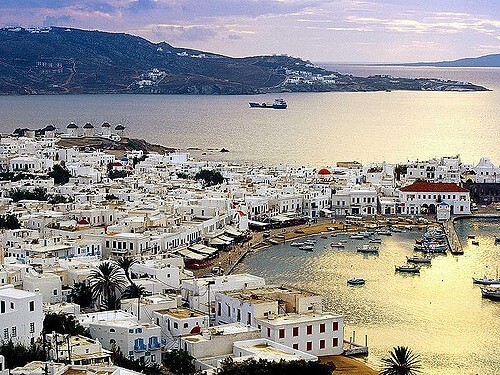
The most famous island of the Aegean, Mykonos is bright and cosmopolitan, with exciting nightlife and stunning scenery. With its stunning beaches, award-winning restaurants, endless fantastical parties, and dream villas, it is no wonder Mykonos has been voted one of the top vacation destinations worldwide.
If the Mykonos nightlife scene isn’t for you, don’t worry. Mykonos is also home to the Ano Mera Village, a calm, authentic, and picturesque town home to the historic church Panagia Tourliani as its main attraction.
A very diverse island, Mykonos has become the most gay-friendly destination in Greece and the most popular in the world.
Mykonos is also home to Little Venice, and its houses (which were built in the 18th century) have foundations in the sea! Today they offer bars, restaurants, and stunning views of the Aegean from their balconies.
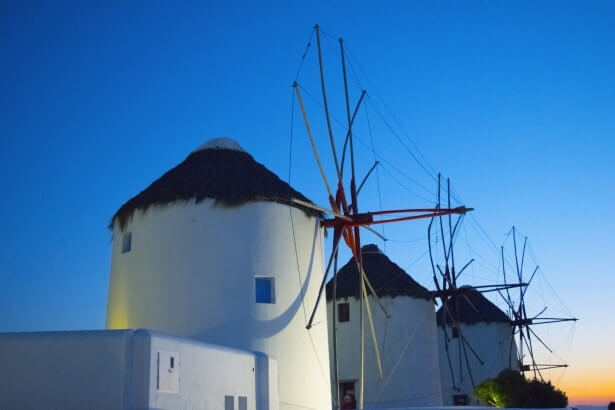
The other trademark of Mykonos are the Kato Myloi, a series of windmills, that, built by the Venetians in the 16th century, milled flour up until the mid-1900’s. Today, they are home to locals and serve as vaults to numerous Mykonian heritage documents.
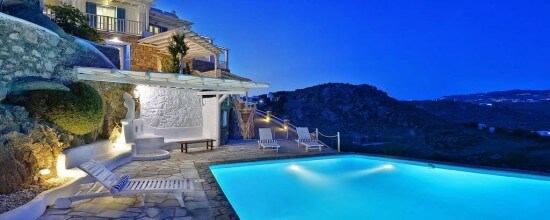
Moreover, Mykonos has tons of scuba diving, and its waters are home to some amazing creatures, including octopus, starfish, and Mediterranean monk seals! There are countless companies which offer diving expeditions through reefs, caves, and even shipwrecks!
4th DAY: MYKONOS – DELOS & RHENIA ISLANDS
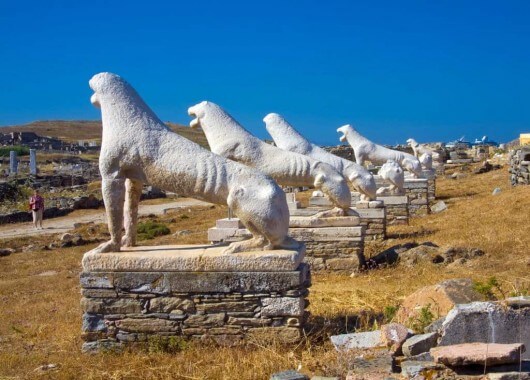
Delos is one of the most important mythological, historical, and archaeological sites in Greece. Dolos is the birthplace of the twin gods Apollo and Artemis and has been a holy sanctuary for a millennium. Admire beautiful archaeological sites and watch the unique sunset on the island of the god of light, Apollo.
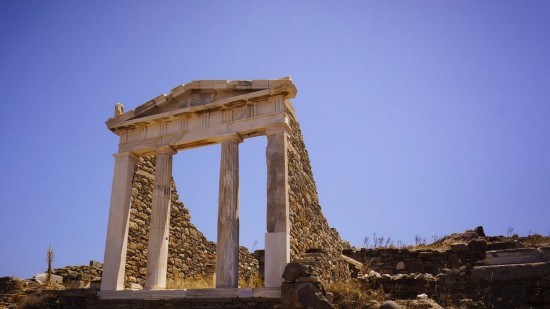
Charter your boat in Rinia, where you can dive into blue waters and cool off in the fresh air. Rinia is a peaceful, almost deserted island where one can recharge and catch a break from all the noise.
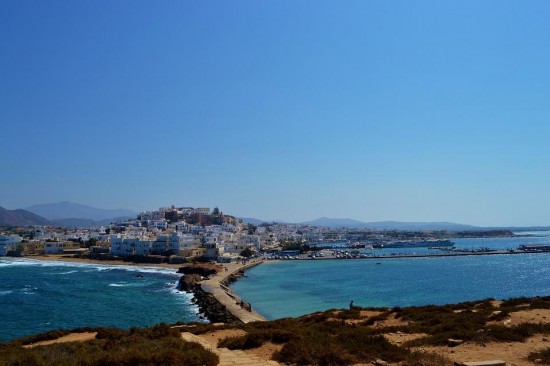
Naxos is the largest, most fertile, and self-sufficient island of the Cyclades. In the harbor, one is welcomed by Portara, a large marble frame and an ancient Apollo Temple, along with a view of a medieval castle. The island has a history dating back centuries, unique sights, varying landscapes, and delicious food.
A visit to Naxos is not complete without the exploration of the picturesque countryside and the mountain villages of the island which have been inhabited for centuries.
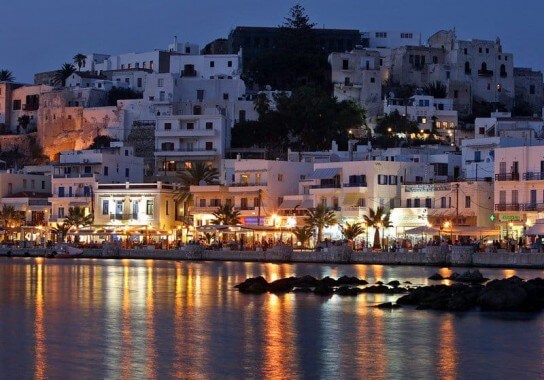
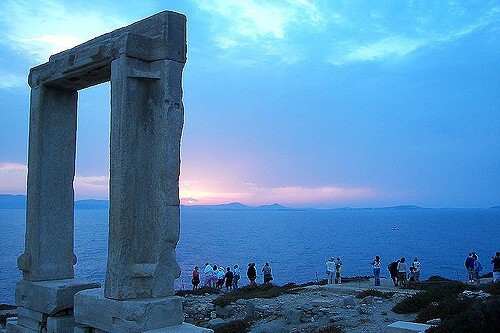
Naxos was rated the sixth best island in the world and the number two place to visit in Europe according to TripAdvisor, the popular travel site’s, users. It is also described as a critical culinary destination because it produces some of Greece’s most famous exports including many Greek cheeses.
Koufonissia is a well-hidden terrestrial paradise that is also definitely worth visiting. Filled with quiet beaches and caves, Koufonissia is an excellent place for relaxation and time to oneself.
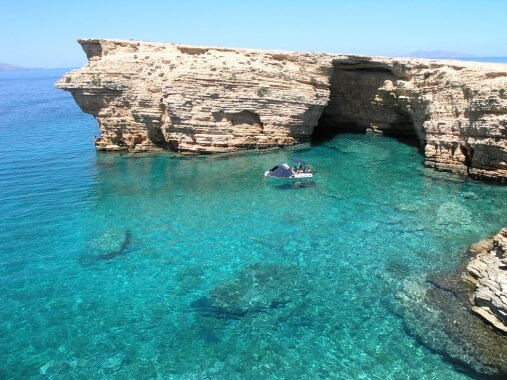
Koufonissia, with its crystal clear waters, has plenty of opportunities for beautiful Mediterranean diving. With dreamy landscapes and tranquil music, Koufonissia is one of the most peaceful places to explore.
6th DAY: PAROS or SIFNOS
Paros also has beaches with crystal clear waters and magnificent beauty Also in Paros however, you’ll discover Byzantine footpaths which which connect traditional villages like Naoussa, a colorful village where the ruins of a Venetian fortress stand at the entrance to its small harbor. Naoussa is also home to exquisite shopping opportunities in the town’s narrow alleyways and fine dining along its shores.
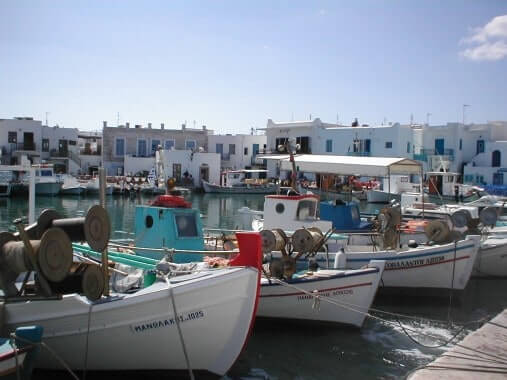
Sifnos combines picturesque views with folk art and tradition. It has many medieval remains and contains 360 churches, for the number of days in a year.
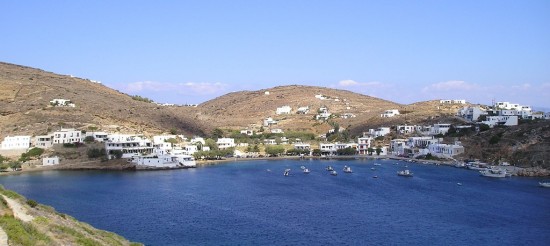
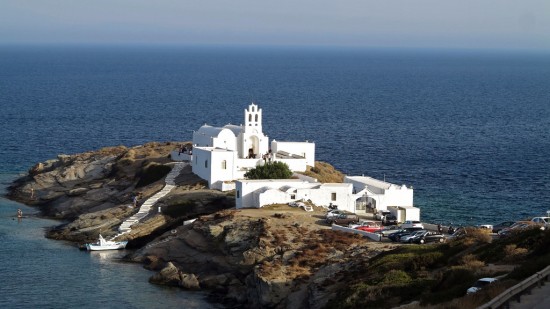
Sifnos is an island famous for its architecture and its beauty. Elegant but simple at the same time, Sifnos is full of stunning, pure beauty.
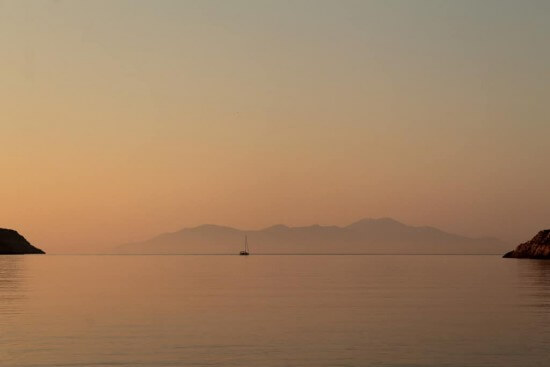
7th DAY : SERIFOS to ATHENS
Serifos is the ideal place for taking a stroll or stopping into one of its cafes, fish taverns, or pastry shops located next to the sea. Chora, Serifos’s capital city, was built on a rocky hilltop overlooking over the rest of the island, and houses a Venetian castle built in the 15th century. The most beautiful architectural building on Serifos however, is the ancient Hellenistic marble watchtower Aspros Pirgos, or “White Tower.”
Simply put, Serifos has beautiful, simple Cycladic architecture that has remained unchanged for centuries.
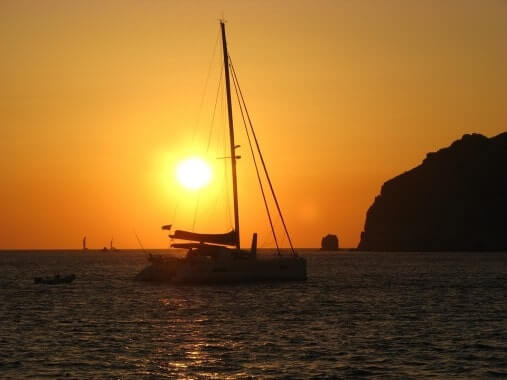
With magnificent views, archaeological wonders, and fantastic adventures, you’re sure to love this itinerary which takes sailors to all of the must-see Greek islands.
Enjoy!
————————————————————————————————
